Top 3 ASX Wine Stocks to Watch in 2026
The Australian wine industry remains an important part of the country's consumer and agricultural economy, while the ASX provides investors with exposure to several businesses connected to wine production, retail and hospitality.
For investors researching ASX wine stocks in 2026, three companies stand out for their different business models: Treasury Wine Estates (ASX: TWE), Endeavour Group (ASX: EDV) and Australian Vintage (ASX: AVG).
Treasury Wine Estates provides direct exposure to global wine production and premium brands, Endeavour combines liquor retail with hospitality, while Australian Vintage offers exposure to wine production and international markets.
The sector is also undergoing significant changes. Premiumisation, changing consumer preferences, international trade conditions, no- and low-alcohol products, currency movements and vineyard supply are all important factors for investors to monitor.
This article examines these top 3 ASX wine stocks to watch in 2026, their business models, potential growth drivers and key risks.
ASX Wine Stocks in 2026: What Investors Should Know
Wine companies operate in a market influenced by both consumer trends and agricultural conditions.
Unlike technology or mining companies, wine producers must manage factors such as grape supply, harvest conditions, inventory levels, distribution networks and changing consumer preferences.
Australia's wine sector is also highly export-oriented. Wine Australia publishes annual vintage data covering grape production, regional intake and grape prices, providing useful information about the underlying industry. Its 2026 National Vintage Report includes data from Australian winegrowing regions and grape varieties.
For investors, this means analysing more than just revenue growth.
Important indicators include:
- Wine volumes
- Premium wine sales
- Export markets
- Inventory levels
- Gross margins
- Brand strength
- Vineyard costs
- Currency movements
- Consumer demand
- Balance-sheet strength
1. Treasury Wine Estates (ASX: TWE)
A Global Premium Wine Business
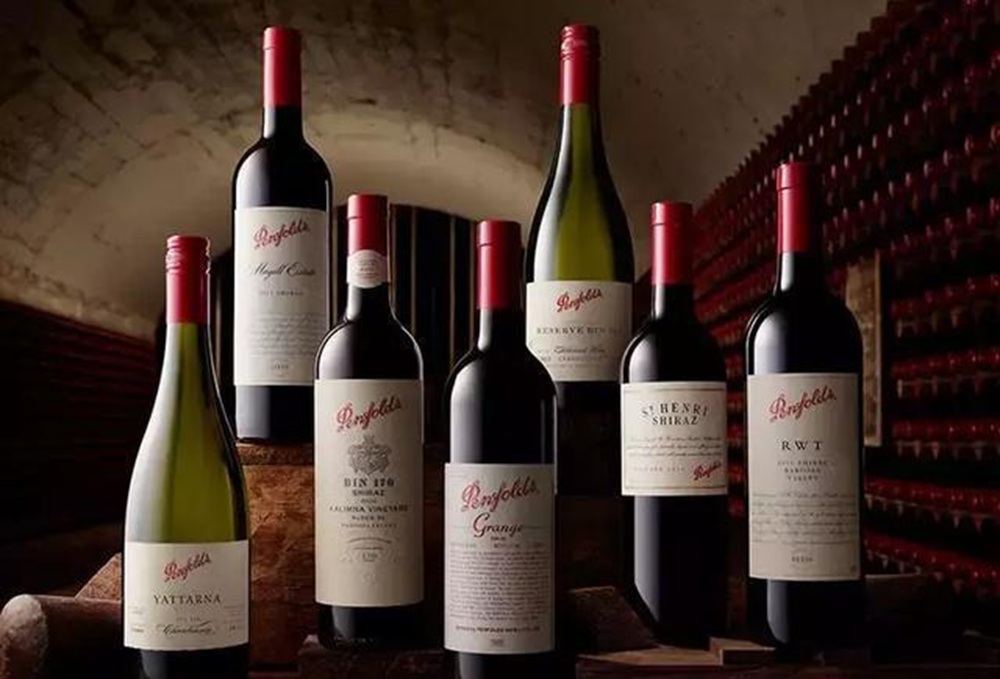
Treasury Wine Estates is one of the largest wine companies listed on the ASX and arguably the most direct large-cap exposure to the global wine industry.
Its portfolio includes internationally recognised brands such as Penfolds, Wolf Blass, 19 Crimes, Pepperjack and DAOU.
The company operates across multiple international markets, making its performance dependent not only on Australian wine demand but also on consumer trends and distribution conditions overseas.
Treasury Wine Estates describes itself as a global wine company and provides investors with annual reports, financial results and ASX announcements through its investor centre.
Treasury Wine Estates' 2026 Strategy
One of the most significant developments for TWE in 2026 has been its move towards a more focused brand portfolio.
In June 2026, the company announced a strategy to reduce its portfolio from 76 brands to fewer than 30 over five years, with greater emphasis on selected "Power Brands" and regional brands. Penfolds and DAOU are among the brands receiving increased investment.
The company also announced plans to review its Americas business and target approximately A$100 million in annual cost savings through changes to its operating model and supply chain.
This makes brand concentration and operational efficiency two important themes for investors to monitor.
Why TWE Matters Among ASX Wine Stocks
TWE offers exposure to:
- Premium and luxury wine
- Global distribution
- Australian wine production
- International consumer markets
- Strong wine brands
- Potential benefits from premiumisation
The company's FY2026 results were released in August 2026, providing investors with the latest financial information and management commentary.
Key Risks for TWE
Investors should also consider:
- Weak consumer demand in some markets
- US business performance
- Foreign-exchange movements
- Wine inventory levels
- Brand concentration
- International distribution costs
- Changing alcohol-consumption patterns
For more ASX consumer-sector research, readers can also explore StockBinge's ASX dividend stocks coverage.
2. Endeavour Group (ASX: EDV)
Wine Exposure Through Retail and Hospitality
Endeavour Group is different from Treasury Wine Estates.
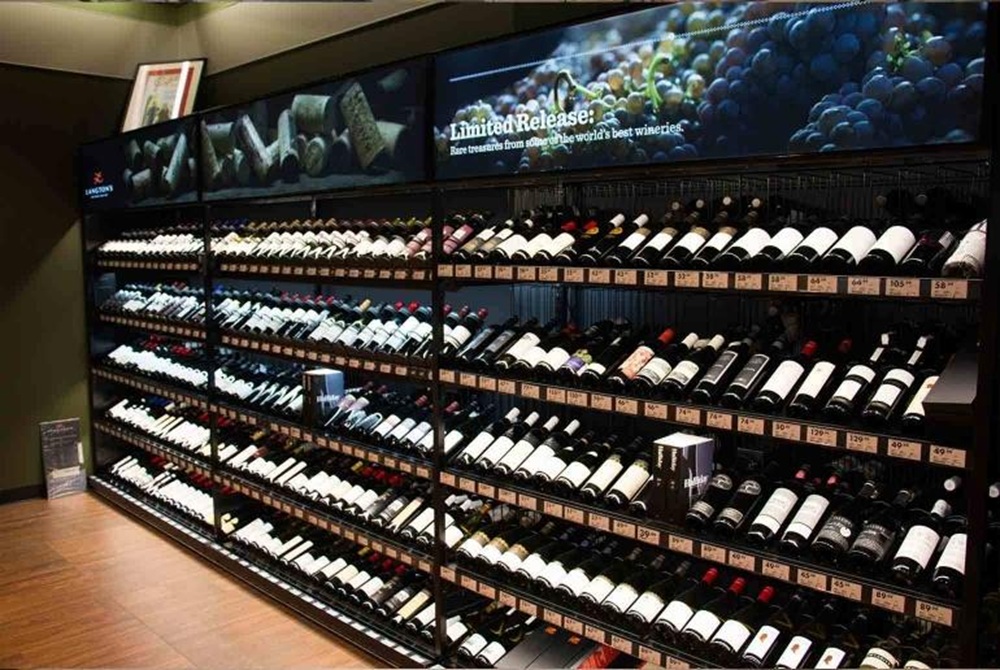
It is not primarily a wine producer. Instead, it operates a large Australian retail and hospitality business, giving investors exposure to alcohol consumption through its liquor and hospitality operations.
The company's retail operations include Dan Murphy's and BWS, while its hospitality portfolio provides exposure to pubs and hotels.
This makes Endeavour a diversified way to gain exposure to the Australian alcohol market, including wine.
Why Endeavour Group Is Relevant to ASX Wine Stocks
Endeavour can benefit from consumer demand for wine without relying entirely on wine production.
Its retail network gives it access to a large customer base, while its digital channels provide another avenue for sales.
This business model creates a different risk profile from a pure wine producer.
Instead of being heavily dependent on vineyard yields or wine production costs, Endeavour is influenced by:
- Consumer spending
- Retail sales
- Hospitality demand
- Alcohol volumes
- Store productivity
- Digital sales
- Operating margins
The company was identified by market analysis as one of the three major ASX-listed companies providing wine exposure alongside Treasury Wine Estates and Australian Vintage.
Potential Drivers for Endeavour in 2026
The company's large retail footprint provides scale, while online shopping continues to be an important part of the alcohol-retail landscape.
Hospitality performance is another factor.
If Australian consumers increase spending on restaurants, pubs and social activities, Endeavour's hospitality operations could benefit.
However, household budgets, inflation and broader consumer confidence remain important variables.
Risks to Consider
Endeavour investors should monitor:
- Weak household spending
- Regulatory changes
- Alcohol consumption trends
- Retail competition
- Hospitality costs
- Wage expenses
- Margin pressure
- Consumer preferences
Therefore, Endeavour should be viewed as a diversified alcohol and hospitality company, rather than a pure-play wine producer.
3. Australian Vintage (ASX: AVG)

A Smaller Wine Producer With International Exposure
Australian Vintage is another established name among ASX wine stocks.
The company owns brands including McGuigan Wines and Tempus Two and operates across wine production and international markets.
Compared with Treasury Wine Estates, Australian Vintage is significantly smaller, which means its financial performance and share price can potentially be more sensitive to operational developments.
The company's investor centre provides its latest announcements, financial statements and FY2026 results.
Australian Vintage's 2026 Transformation
Australian Vintage has been undergoing a strategic transformation, with management focusing on its brand portfolio, product innovation and changing consumer preferences.
One notable area is the growth of no- and low-alcohol wine products.
The broader wine market is experiencing changing consumption patterns, with some consumers looking for lower-alcohol or alternative formats.
This creates an opportunity for companies that can develop products aligned with those preferences.
International Markets
Australian Vintage has historically generated substantial revenue from international markets.
Its exposure to the UK and other export markets means currency movements and overseas consumer demand can have a meaningful effect on results.
The company also faces the same broader challenges affecting Australian wine producers, including grape costs, inventory management and competitive international pricing.
Risks to Consider
Australian Vintage is smaller than Treasury Wine Estates and therefore investors should pay close attention to:
- Balance-sheet strength
- Refinancing requirements
- Cash flow
- Wine inventory
- Export demand
- Brand performance
- Currency movements
- Production costs
The company confirmed refinancing arrangements extending to 2029 in 2026, while its investor centre continues to publish current financial information and announcements.
Comparing the Top 3 ASX Wine Stocks
| Company | ASX Code | Main Exposure | Business Type |
|---|---|---|---|
| Treasury Wine Estates | TWE | Premium and luxury wine | Global wine producer |
| Endeavour Group | EDV | Wine, liquor retail and hospitality | Retail & hospitality |
| Australian Vintage | AVG | Wine production and exports | Wine producer |
The three companies therefore provide different types of exposure to the wine industry.
TWE is heavily connected to global premium wine, EDV provides diversified alcohol-retail and hospitality exposure, while AVG offers smaller-cap exposure to wine production and international markets.
Key Trends Affecting ASX Wine Stocks in 2026
Premiumisation
Premium and luxury wine remains an important area for producers seeking stronger margins.
TWE's greater focus on Penfolds and other selected premium brands demonstrates how major producers are concentrating resources on brands with stronger strategic importance.
Changing Consumer Preferences
Consumers are increasingly experimenting with different wine styles, formats and alcohol levels.
No- and low-alcohol products are becoming a more important segment for some producers.
International Trade
Australian wine producers depend heavily on overseas markets.
Changes in tariffs, trade relationships, consumer demand and distribution arrangements can therefore affect company performance.
StockBinge has also examined the broader effect of international trade conditions in How the ASX Is Adapting to Global Trade Tensions.
Grape Supply and Vintage Conditions
Wine production begins with the agricultural supply chain.
Weather, rainfall, temperature and grape prices can influence production costs and wine availability.
Wine Australia's 2026 National Vintage Report provides detailed information on grape crush volumes and regional production conditions.
Currency Movements
Australian wine exporters can be significantly affected by movements in the Australian dollar.
A weaker Australian dollar can improve the competitiveness of Australian exports, while a stronger currency can have the opposite effect.
What Investors Should Watch in 2026
1. Premium Wine Sales
Investors can monitor whether premium and luxury brands continue to generate stronger growth and margins.
2. Consumer Spending
Retail and hospitality demand will remain important for Endeavour Group.
3. Export Markets
The US, UK, China and other international markets can materially influence Australian wine companies.
4. Inventory Levels
High inventories can create pressure on prices, margins and working capital.
5. Production Costs
Grape prices, labour, packaging, transportation and energy costs can affect profitability.
6. Balance Sheets
Debt and refinancing requirements are particularly important for smaller companies such as Australian Vintage.
7. Brand Strategy
Investors should monitor whether companies are successfully concentrating resources on brands with stronger consumer demand and margins.
ASX Wine Stocks: Opportunities and Risks
| Factor | Potential Opportunity | Key Risk |
|---|---|---|
| Premium wine | Higher-value sales | Weak luxury demand |
| Export markets | Global growth | Trade restrictions |
| E-commerce | Wider customer reach | Strong competition |
| No/low alcohol | Changing consumer preferences | Category uncertainty |
| Brand investment | Stronger margins | Marketing costs |
| Australian dollar | Export competitiveness | Currency volatility |
| Hospitality | Higher consumer activity | Rising operating costs |
| Grape supply | Improved vintage conditions | Weather-related disruption |
Frequently Asked Questions
What are the top 3 ASX wine stocks to watch in 2026?
Three notable ASX-listed companies with significant wine exposure are Treasury Wine Estates (ASX: TWE), Endeavour Group (ASX: EDV) and Australian Vintage (ASX: AVG). They have different business models and risk profiles.
Is Treasury Wine Estates a pure-play wine stock?
Treasury Wine Estates is one of the ASX's major dedicated wine producers, with global operations and brands including Penfolds, DAOU, Wolf Blass and 19 Crimes.
Is Endeavour Group a wine company?
Endeavour Group is not a pure-play wine producer. It operates liquor retail and hospitality businesses, giving investors diversified exposure to alcohol consumption, including wine.
What brands does Australian Vintage own?
Australian Vintage's portfolio includes brands such as McGuigan Wines and Tempus Two.
Are ASX wine stocks defensive?
Wine and alcohol companies can have relatively resilient consumer demand, but they are not risk-free. Earnings can be affected by consumer spending, agricultural conditions, inventory, regulation, currency movements and international markets.
What is driving wine stocks in 2026?
Important themes include premiumisation, brand rationalisation, international demand, changing alcohol preferences, no- and low-alcohol products, retail trends and cost management.
What are the biggest risks for Australian wine companies?
Key risks include weaker consumer demand, excess inventory, grape-supply conditions, international competition, currency movements, regulation, distribution costs and changing alcohol-consumption patterns.
Conclusion
The top 3 ASX wine stocks to watch in 2026 offer investors three distinctly different ways to gain exposure to Australia's wine and alcohol industry.
Treasury Wine Estates (ASX: TWE) provides the clearest exposure to global wine production and premium brands, with Penfolds and DAOU central to its current strategy. Its 2026 transformation, portfolio simplification and focus on operational efficiency are important developments to monitor.
Endeavour Group (ASX: EDV) offers broader exposure through liquor retail and hospitality rather than wine production alone.
Australian Vintage (ASX: AVG) provides exposure to wine production, exports and newer consumer trends such as no- and low-alcohol products, although its smaller scale and balance-sheet considerations are important risks to monitor.
The Australian wine sector is changing, and investors should look beyond headline share-price movements. Brand strength, premiumisation, export demand, inventory, production costs, consumer behaviour and balance-sheet health can all influence performance.
At StockBinge, we believe investors should conduct their own research and consider their investment objectives, financial circumstances and risk tolerance before making investment decisions.
Disclaimer
This article is provided for general information only and does not constitute personal financial advice. ASX-listed wine and alcohol companies can experience share-price volatility and business-specific risks. Investors should conduct their own research and consider seeking professional financial advice before making investment decisions.