.jpg)
Challenges and Opportunities in Australian Nickel Mining | Market Outlook 2025
Australian nickel mining entered 2025 under significant pressure as weak prices, global oversupply and rising competition from lower-cost producers challenged the economics of domestic operations.
Nickel remains an important industrial and critical mineral because it is used extensively in stainless steel, batteries and other industrial applications. However, the Australian industry has faced a difficult operating environment after several years of strong global supply growth, particularly from Indonesia.
The Australian Government's June 2025 Resources and Energy Quarterly reported that global nickel prices averaged around US$15,110 per tonne in mid-June 2025, while increased Indonesian supply and high exchange inventories continued to weigh on prices.
This has resulted in mine closures, production suspensions and delays to new projects across Australia.
At the same time, the difficult market has created potential opportunities for efficient producers, advanced projects and companies positioned to benefit if global nickel markets eventually move toward a tighter supply-demand balance.
Australian Nickel Mining in 2025: Current Market Conditions
The Australian nickel industry entered 2025 after a major period of restructuring.
Weak prices have made it increasingly difficult for higher-cost Australian operations to compete with large-scale Indonesian production.
According to Australia's Department of Industry, Science and Resources, Australian mined nickel production was expected to fall 6.6% in 2025–26, with further declines forecast in 2026–27 as additional mine closures take effect.
Australian nickel export earnings were also forecast to decline significantly, reflecting both lower prices and reduced domestic production.
The challenge is therefore not simply lower nickel prices. Australian producers must also compete against producers operating at different cost structures.
Why Is Australian Nickel Mining Facing Pressure?
Global Nickel Oversupply
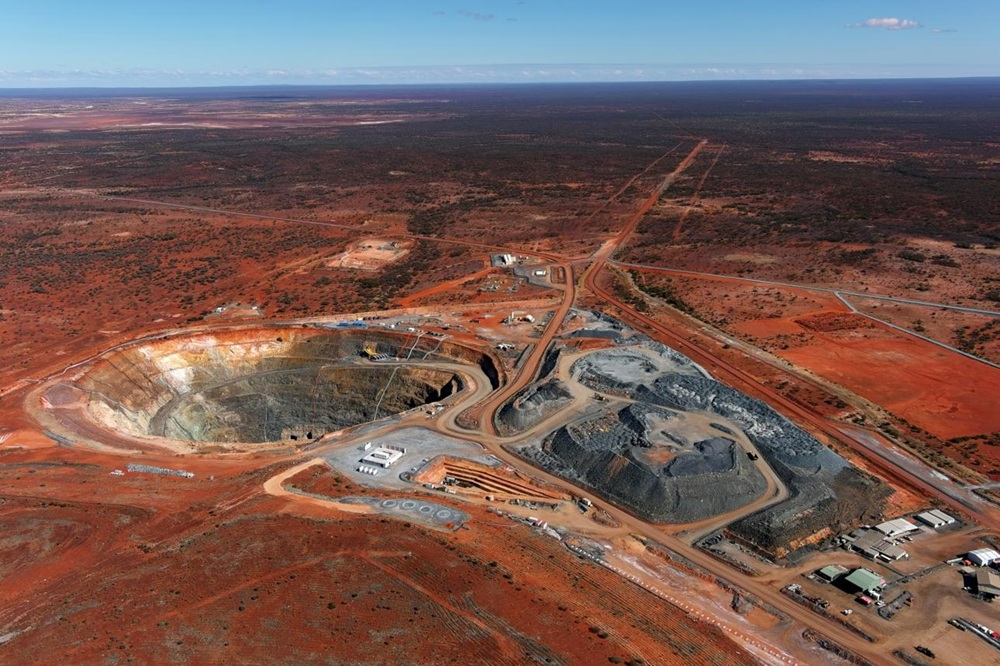
The most significant challenge facing Australian nickel mining has been excess global supply.
Indonesia has rapidly expanded nickel production and processing capacity, transforming the global supply landscape.
The Australian Government reported that rising Indonesian supply continued to outweigh growth in nickel demand during 2025, despite stronger demand from electric vehicles and stainless steel.
When supply grows faster than demand, inventories can rise and prices can remain under pressure.
For Australian producers, this can create a difficult combination of lower revenue and relatively high operating costs.
Declining Nickel Prices
Nickel prices have fallen substantially from the elevated levels seen earlier in the decade.
The December 2025 Resources and Energy Quarterly reported that the LME nickel price averaged approximately US$14,700 per tonne in November 2025, around 7% below the previous year and close to four-year lows.
Lower prices have affected investment decisions across the Australian nickel industry.
Projects that appeared economically attractive at higher prices may require significantly different assumptions when long-term nickel prices are lower.
BHP and Nickel West: A Major Example of Industry Pressure
One of the clearest examples of the challenges facing Australian nickel mining is BHP's Western Australia Nickel business.
BHP temporarily suspended operations at Nickel West and the West Musgrave project from October 2024 following a review driven by global nickel oversupply.
The company says it plans to review the suspension by February 2027 and is continuing to invest approximately A$450 million annually in the Western Australia Nickel facilities to maintain the option of a potential restart if market conditions improve.
BHP's FY2025 annual report states that Western Australia Nickel produced approximately 30,000 tonnes of nickel during the financial year before the temporary suspension took effect.
This decision demonstrates the pressure that low nickel prices can place even on large, well-established mining operations.
For investors interested in Australia's major resource companies, StockBinge also covers Fortescue and Other Mining Giants Reshaping the ASX in 2025.
IGO and the Future of Nova Nickel
IGO Limited is another important name in Australian nickel mining.
IGO owns and operates the Nova Nickel Operation in Western Australia, which is expected to reach the end of its operating life in late 2026.
The company has increasingly shifted its strategic focus toward copper and lithium while continuing to manage its existing nickel operations.
Nova's expected end of life highlights another structural issue facing Australia's nickel sector: even when operations remain technically viable, declining resources and weak commodity prices can influence decisions about further investment.
The Impact of Mine Closures on Australian Nickel Supply
Mine closures can appear negative for the domestic industry, but they can also influence the longer-term supply-demand balance.
When high-cost production is removed from the market, global supply growth can eventually slow.
The Australian Government expects Australian mined nickel production to continue declining in the near term because previously announced closures are taking full effect.
If global demand continues to grow while high-cost supply is removed, the market could eventually move toward better balance.
However, the timing and scale of any potential recovery remain uncertain.
Nickel Demand: Stainless Steel Remains Important
Nickel is widely associated with electric-vehicle batteries, but stainless steel remains a major source of global nickel demand.
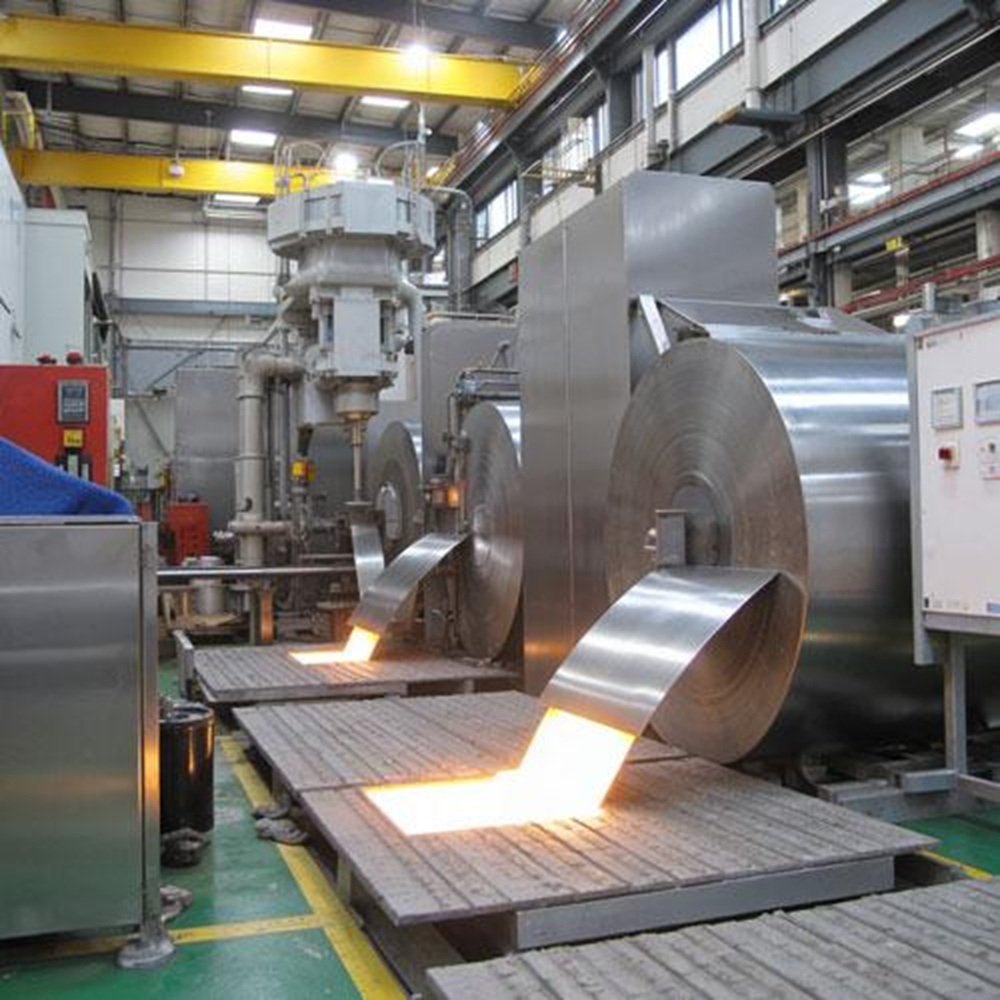
Nickel provides properties such as corrosion resistance and durability, making it important in:
- Stainless steel
- Construction
- Industrial equipment
- Chemical processing
- Energy infrastructure
- Consumer products
This means nickel demand is influenced by broader industrial activity as well as the energy-transition sector.
A recovery in global manufacturing and stainless-steel production could therefore support nickel consumption.
Nickel and the Electric Vehicle Market
Battery Demand Creates a Long-Term Opportunity
Nickel has attracted considerable attention because of its use in certain lithium-ion battery chemistries.
Nickel-rich cathode technologies can provide high energy density, making nickel relevant to some electric-vehicle applications.
As global EV adoption increases, demand for battery materials could create a long-term opportunity for nickel producers.
However, battery technology is evolving quickly.
The growth of lower-nickel and nickel-free battery chemistries means investors should not assume that rising EV sales automatically translate into proportional increases in nickel demand.
The Australian Government noted that global nickel demand increased by nearly 6% year-on-year in the March quarter of 2025, supported by stronger EV and stainless-steel production, but supply growth continued to exceed demand growth.
Critical Minerals Policy Could Support Australian Nickel Mining
Australia's critical-minerals strategy could provide longer-term support for domestic nickel projects.
Governments and industrial companies are increasingly interested in developing secure and diversified supply chains for minerals considered strategically important.
This creates potential opportunities for Australian projects that can demonstrate:
- Reliable resources
- Competitive operating costs
- High-quality nickel products
- Strong environmental standards
- Access to infrastructure
- Long-term customer relationships
- Downstream processing potential
Domestic production can potentially provide diversification away from concentrated global supply chains.
However, government support alone does not guarantee commercial viability.
Projects still need competitive economics, financing and customers.
New Australian Nickel Projects to Watch
Despite the challenging market, several projects remain relevant to the longer-term outlook.
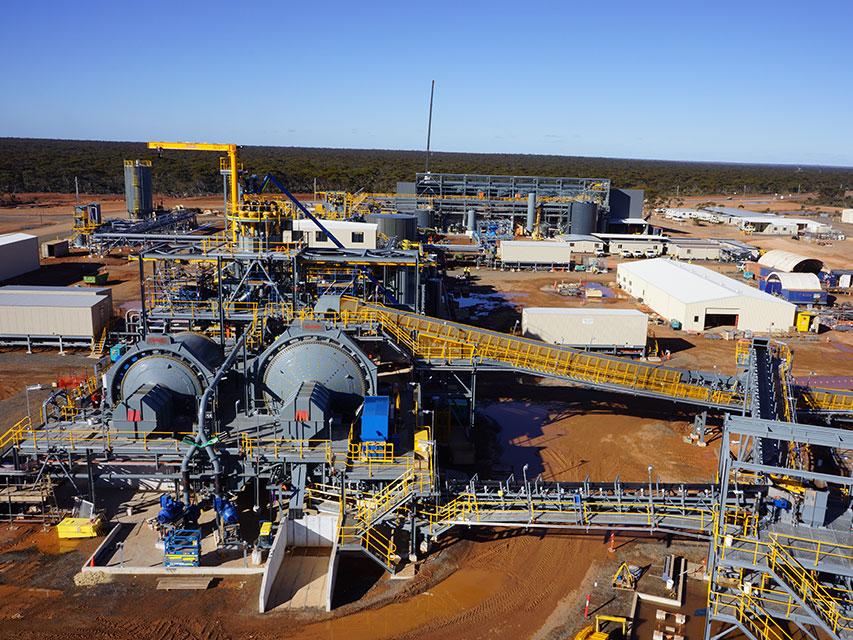
NiWest Nickel-Cobalt Project
Alliance Nickel's NiWest project in Western Australia is designed around the production of nickel sulphate and has a targeted production capacity of around 20,000 tonnes of nickel per year.
The project is aimed at supplying the battery-material market and represents an example of the potential shift from traditional mining toward downstream processing.
Ardea Resources' Kalgoorlie Nickel Project
Ardea Resources is developing its integrated Kalgoorlie nickel project.
The Australian Government's September 2025 outlook identified the project as a potential source of future nickel supply, with an estimated annual capacity of approximately 29,000 tonnes of nickel in mixed hydroxide precipitate (MHP).
The project has also attracted support from Japanese partners Sumitomo Metal Mining and Mitsubishi, according to the Australian Government's report.
These projects demonstrate that Australia's future nickel industry could focus increasingly on higher-value intermediate and downstream products.
Opportunity: Supply Chain Diversification
One of the biggest long-term opportunities for Australian nickel mining could come from supply-chain diversification.
Global manufacturers may seek alternative sources of nickel to reduce dependence on individual countries or regions.
Australia has several advantages:
- Established mining expertise
- Strong regulatory systems
- Existing infrastructure
- Large mineral resources
- Access to Asian markets
- Established financial markets
- Experience in mineral processing
These characteristics could make Australia relevant to companies seeking diversified critical-mineral supply chains.
However, Australia's higher operating costs remain a significant consideration.
Opportunity: Higher Nickel Prices
A sustained recovery in nickel prices would improve the economics of Australian operations.
The Australian Government's December 2025 outlook forecast the LME nickel price to average approximately US$15,860 per tonne in 2026 and US$16,770 per tonne in 2027. The department expected gradual improvement as tighter mining approvals and reduced Indonesian export quotas could slow supply growth.
This represents a potential improvement from the weak price environment of 2025, although the forecast remains subject to changes in global supply, demand and policy.
For Australian producers, the difference between marginal and profitable operations can be significant when commodity prices move higher.
Opportunity: Downstream Processing
Australia's nickel industry could also benefit from greater downstream processing.
Instead of simply exporting raw ore or concentrates, producers can potentially create additional value through processing into products such as:
- Nickel sulphate
- Mixed hydroxide precipitate
- Refined nickel
- Battery-grade materials
Downstream processing can strengthen links between Australian mines and global battery supply chains.
However, processing facilities require substantial capital expenditure and reliable access to competitive energy and feedstock.
Challenge: High Operating Costs
One of the biggest structural challenges for Australian nickel mining is cost competitiveness.
Australia generally has higher labour, energy, infrastructure and compliance costs than some competing jurisdictions.
When nickel prices are high, these costs can be manageable.
When prices fall sharply, however, higher-cost operations can become uneconomic.
This is one reason why cost curves are particularly important when assessing Australian nickel companies.
Challenge: Project Financing
Weak commodity prices can make it harder for developers to secure project financing.
Banks and investors may demand stronger economics and more conservative assumptions before committing capital.
For greenfield projects, developers may need to demonstrate:
- Competitive operating costs
- Strong resource quality
- Realistic capital requirements
- Long-term offtake agreements
- Infrastructure access
- Environmental approvals
- Strategic partnerships
Projects that cannot demonstrate these characteristics may face delays.
Challenge: Nickel Market Volatility
Nickel is historically a volatile commodity.
Prices can be influenced by:
- Indonesian production
- Chinese stainless-steel demand
- EV sales
- Battery chemistry
- Exchange inventories
- Mining disruptions
- Export policies
- Currency movements
- Global economic growth
This volatility makes long-term planning difficult for Australian producers.
Australian Nickel Mining Market Outlook 2025
The near-term outlook for Australian nickel mining remains challenging.
The Australian Government forecast Australian nickel exports to fall from approximately A$3.7 billion in 2023–24 to A$1.7 billion in 2024–25 and A$1.3 billion in 2025–26.
This reflects the combined effects of lower prices and declining domestic production.
However, the longer-term outlook contains potential opportunities.
A reduction in global supply growth, tighter Indonesian production controls, recovering EV and stainless-steel demand and stronger demand for diversified critical-mineral supply chains could eventually improve market conditions.
The key uncertainty is timing.
What Investors Should Watch in Australian Nickel Mining
Investors following Australian nickel mining should monitor several indicators rather than focusing solely on the nickel price.
Nickel Prices
Sustained price improvement would be important for producers and project developers.
Indonesian Supply
Indonesia's production and export policies remain crucial to global nickel market conditions.
Global Inventories
Exchange inventories can provide information about the balance between supply and demand.
Stainless-Steel Production
Because stainless steel represents a major source of nickel demand, industrial activity remains important.
EV Battery Demand
EV production and battery chemistry trends can influence long-term nickel demand.
Mine Costs
Low-cost operations may have greater resilience during weak commodity markets.
Project Financing
New projects require sufficient funding and credible development plans.
Government Policy
Critical-minerals incentives and supply-chain policies could influence the development of Australian projects.
Australian Nickel Mining: Risks and Opportunities at a Glance
| Factor | Challenge | Potential Opportunity |
|---|---|---|
| Global supply | Indonesian supply growth | Supply discipline could support prices |
| Nickel prices | Weak prices pressure margins | Price recovery could improve project economics |
| Operating costs | Australia has relatively high costs | Efficient projects can differentiate themselves |
| EV demand | Battery chemistry is changing | Nickel-rich batteries can support demand |
| Stainless steel | Industrial slowdown can reduce demand | Manufacturing recovery could increase consumption |
| Mine closures | Lower domestic production | Reduced global supply can tighten the market |
| Processing | High capital requirements | Downstream products can add value |
| Critical minerals | Competition from overseas | Supply-chain diversification can benefit Australia |
Frequently Asked Questions
Is Australian nickel mining still viable in 2025?
Australian nickel mining faces difficult conditions because of low prices and global oversupply. Some operations have been suspended or closed, while lower-cost and strategically important projects may have longer-term opportunities.
Why has Australian nickel production declined?
Low nickel prices and competition from large-scale Indonesian production have reduced the profitability of several Australian operations. Mine closures and suspensions have consequently reduced domestic production.
What happened to BHP Nickel West?
BHP temporarily suspended its Western Australia Nickel operations from October 2024 because of global nickel oversupply. BHP plans to review the decision by February 2027.
Is nickel important for electric vehicles?
Nickel is used in several lithium-ion battery chemistries, particularly some high-nickel cathode technologies. However, battery technology is evolving, and not every EV battery requires significant quantities of nickel.
What could drive a recovery in Australian nickel mining?
Potential factors include higher nickel prices, slower global supply growth, stronger stainless-steel demand, increased battery demand, tighter Indonesian production policies and greater demand for diversified critical-mineral supply chains.
Which Australian nickel projects could benefit from a market recovery?
Projects such as Alliance Nickel's NiWest project and Ardea Resources' Kalgoorlie nickel project are among the developments identified in Australia's resources outlook as potential future sources of nickel supply.
What are the biggest risks for Australian nickel investors?
Key risks include prolonged low prices, Indonesian supply growth, high Australian operating costs, project financing difficulties, changing battery technologies and weaker global industrial demand.
Conclusion
Australian nickel mining entered 2025 facing one of its most challenging periods in recent years.
Global oversupply, particularly from Indonesia, has pushed prices lower and made several Australian operations uneconomic. BHP's temporary suspension of Western Australia Nickel and the expected end of IGO's Nova operation illustrate the scale of the industry's current restructuring.
Yet the challenges also create potential longer-term opportunities.
If global supply growth slows, Indonesian production becomes more constrained and demand from stainless steel and battery industries continues to expand, the nickel market could gradually move toward better balance.
Australia's established resources industry, mineral reserves, infrastructure and critical-minerals capabilities could then become increasingly valuable.
For investors, the most important factors to monitor are nickel prices, Indonesian supply, production costs, global inventories, EV battery demand, stainless-steel production and the progress of Australian nickel projects.
At StockBinge, we believe investors should conduct their own research and consider their investment objectives, financial circumstances and risk tolerance before making investment decisions.
Disclaimer
This article is provided for general information only and does not constitute personal financial advice. Commodity prices and mining stocks can be highly volatile. Investors should conduct their own research and consider seeking professional financial advice before making investment decisions.