
Top ASX Automotive Stocks to Watch in 2026 (Updated)
The important angle for this article is that Australia has relatively few ASX-listed businesses whose core activity is manufacturing passenger vehicles. Investors looking at the automotive market therefore need to consider dealership groups, automotive accessories and aftermarket businesses as well as the wider EV transition.
Three listed dealership groups worth examining are Eagers Automotive, Autosports Group and Peter Warren Automotive Holdings. ARB Corporation adds exposure to automotive accessories and aftermarket products.
1. Understanding Australia's Automotive Market
The Australian automobile market is undergoing a significant transition. Changing consumer preferences, competition among vehicle manufacturers, the growing availability of electric vehicles (EVs), and developments in automotive technology are reshaping the industry.
According to the Australian Automobile Association's September 2026 EV Index, battery electric vehicles accounted for 24.34% of new light vehicle sales during the September quarter. More than half of new vehicle sales during the quarter were electric or hybrid vehicles.
This shift creates several areas worth following:
- Electric vehicles: Growing adoption of battery electric and plug-in hybrid vehicles.
- Automotive retail: Dealership groups competing across established and emerging vehicle brands.
- Aftermarket accessories: Demand for vehicle upgrades, servicing and accessories.
- Automotive technology: Developments in vehicle electronics, software and connected technologies.
- EV supply chains: Businesses involved in batteries, lithium and other critical minerals.
For ASX investors, understanding these different segments is important because automotive exposure is not limited to companies selling cars.
2. ASX Automotive Stocks to Research in 2026
The following companies provide exposure to different parts of Australia's automotive industry. They are selected for their business connection to the sector, not ranked by investment performance.
1. Eagers Automotive Limited (ASX: APE)
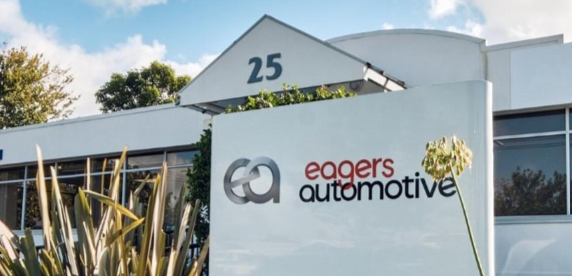
Eagers Automotive is one of Australia's major automotive retail groups, operating dealerships across Australia and New Zealand.
Its business includes:
- New and used vehicle sales
- Automotive servicing and repairs
- Spare parts
- Vehicle financing and related services
The company represents a diversified portfolio of automotive brands, giving it exposure to different vehicle categories and customer segments.
What investors should watch:
- New and used vehicle sales volumes
- Dealership margins
- Inventory levels
- Financing costs
- Acquisition activity
- EV brand representation
APE offers exposure to automotive retail rather than direct vehicle manufacturing.
2. Autosports Group Limited (ASX: ASG)
Autosports Group operates automotive dealerships with a focus on prestige and luxury vehicle brands.
Its business model includes vehicle retailing, servicing, parts and related dealership operations.
The company provides exposure to Australia's premium automotive market, where sales activity can be influenced by consumer confidence, household wealth and discretionary spending.
What investors should watch:
- Luxury vehicle demand
- New and used vehicle margins
- Dealership operating costs
- Inventory management
- Consumer confidence
- Service and parts revenue
According to Pitcher Partners' calendar-year 2025 listed dealer comparison, Autosports Group recorded revenue growth of 12.7%. However, its net profit before tax margin declined slightly.
3. Peter Warren Automotive Holdings (ASX: PWR)
Peter Warren Automotive Holdings is another listed Australian dealership group, operating across several vehicle brands and automotive retail segments.
Its operations include:
- New and used vehicle sales
- Automotive servicing
- Spare parts
- Collision repair
- Dealership operations
The company provides exposure to the broader automotive retail and servicing market.
What investors should watch:
- Vehicle sales performance
- Dealership acquisitions
- Operating margins
- Inventory turnover
- Financing costs
- Competition among vehicle brands
Its performance can be influenced by vehicle demand as well as its ability to manage dealership operations and costs.
4. ARB Corporation Limited (ASX: ARB)
ARB Corporation provides exposure to a different part of the automotive industry.
Rather than operating primarily as a vehicle dealership, ARB designs, manufactures and distributes aftermarket automotive accessories, particularly for four-wheel-drive and light commercial vehicles.
Its product range includes:
- Bull bars
- Suspension systems
- Roof racks
- Vehicle protection equipment
- Camping and touring accessories
- Vehicle recovery equipment
The company also has an international distribution network, with products supplied to more than 100 countries.
What investors should watch:
- Domestic vehicle accessory demand
- International sales
- New vehicle model launches
- OEM partnerships
- Manufacturing costs
- Export growth
ARB offers exposure to the automotive aftermarket, which has different revenue drivers from vehicle retailing.
3. How Is the EV Transition Changing the Australian Automobile Market?
Electric vehicles are becoming an increasingly important part of Australia's automotive landscape.
The September 2026 data from the Australian Automobile Association showed that battery electric vehicles reached a 24.34% share of new light vehicle sales during the quarter. The combined share of electric and hybrid vehicles exceeded 50%.
Several factors are contributing to this transition.
Greater vehicle availability
More manufacturers are introducing electric and hybrid models across different price ranges and vehicle categories.
Charging infrastructure
Investment in charging networks is helping address one of the practical considerations associated with EV ownership.
Running costs
Consumers are comparing the potential running and maintenance costs of electric vehicles with conventional petrol and diesel vehicles.
Government policy
Vehicle emissions regulations and incentives can influence manufacturer strategies and consumer purchasing decisions.
What does this mean for ASX investors?
The EV transition creates potential opportunities across several industries, including automotive retail, vehicle components, battery materials and mining.
However, investors should distinguish between companies with direct automotive revenue and those with indirect exposure through commodities such as lithium.
A company producing lithium does not automatically benefit from every increase in electric vehicle sales. Commodity prices, production costs, supply conditions and project economics remain important.
4. Key Factors to Consider Before Investing in ASX Automotive Stocks
The automotive industry is highly competitive and sensitive to economic conditions. Before researching an automotive company, investors should consider several factors.
| Factor | What to Examine |
|---|---|
| Revenue growth | Are vehicle sales and other business segments growing? |
| Profit margins | Can the company maintain profitability amid competition? |
| Inventory | Is stock moving efficiently through dealerships? |
| Consumer demand | How are interest rates and household spending affecting purchases? |
| EV exposure | Does the company have meaningful exposure to electric vehicles? |
| Debt | How much borrowing does the business require? |
| Competition | Is the company facing pressure from new brands or changing consumer preferences? |
Why Interest Rates Matter
Vehicle purchases are often financed through loans. Higher borrowing costs can affect consumer affordability and influence demand for new and used vehicles.
For dealership groups, financing costs can also affect the cost of holding inventory.
This makes interest rates, consumer confidence and employment conditions important indicators when researching automotive businesses.
5. Risks Associated With Automotive Stocks
Although the automobile market offers exposure to several industries, it also carries risks.
Intense competition: New vehicle brands and changing pricing strategies can put pressure on established businesses.
Economic sensitivity: Vehicle purchases are often discretionary, making sales vulnerable to weaker consumer confidence.
Inventory costs: Dealerships must manage stock levels and financing expenses carefully.
Technology changes: Companies may need to invest in new technologies, products and infrastructure to remain competitive.
EV transition: The shift towards electric vehicles can create opportunities but also introduce uncertainty around technology, demand and business models.
Profit margins: Higher revenue does not necessarily translate into higher profits, particularly when operating expenses and competition increase.
Investors should assess each company's financial position, business model and exposure to these risks rather than relying on industry growth alone.
6. What Is the Outlook for Australia's Automotive Industry?
The Australian automotive industry is likely to continue evolving as vehicle manufacturers, dealerships and aftermarket businesses respond to changing consumer preferences.
Three developments deserve attention.
1. Continued EV adoption
Electric and hybrid vehicles are becoming a larger part of new vehicle sales. This may influence dealership strategies, servicing requirements and automotive supply chains.
2. Competition among vehicle brands
The arrival of new manufacturers and models is increasing competition across different price segments. Dealership groups will need to manage brand representation, inventory and margins.
3. Growth in automotive aftermarket services
Vehicle servicing, repairs, accessories and replacement parts remain important components of the industry. Companies operating in these segments may have different growth drivers from new vehicle retailers.
For investors, the key is understanding which businesses are positioned to participate in these developments and whether their financial performance supports their market valuation.
7. Final Thoughts: Which ASX Automotive Stocks Are Worth Researching?
Australia's automotive industry offers more investment exposure than simply buying shares in vehicle manufacturers.
Companies such as Eagers Automotive, Autosports Group and Peter Warren Automotive Holdings provide exposure to dealership operations, while ARB Corporation offers exposure to aftermarket accessories and vehicle equipment.
Each business operates differently, and its financial performance depends on different industry drivers.
Rather than focusing only on vehicle sales or EV adoption figures, investors should examine company earnings, operating margins, debt, inventory and long-term business strategy.
The Australian automobile market is changing. Understanding the businesses behind that transition is an important starting point for researching ASX automotive stocks in 2026.
Explore More ASX Stock Research with StockBinge
Want to go beyond general market updates?
StockBinge publishes research reports, company analysis and market insights covering Australian listed companies across mining, resources, dividend stocks, growth stocks, technology and other sectors.