Fortescue and Other Mining Giants Reshaping the ASX in 2025
Fortescue and other mining giants reshaped the ASX in 2025 as commodity markets, critical minerals, copper demand, iron ore production and the global energy transition influenced investor attention across Australia's resource-heavy market.
Large mining companies such as Fortescue Ltd (ASX: FMG), BHP Group (ASX: BHP) and Rio Tinto (ASX: RIO) remained important components of the Australian share market. At the same time, companies such as Pilbara Minerals expanded the ASX's exposure to lithium and battery materials.
The mining sector's influence is particularly significant because Australia's equity market has substantial exposure to resources. The ASX also reported that materials dominated international new listings in 2025, with 10 international materials listings during the year, alongside strong activity in metals and mining capital raisings.
For investors following the broader sector, StockBinge's Top 4 ASX Mining Stocks to Watch in 2025: BHP, Fortescue, Rio, and Pilbara Minerals provides additional coverage of these major resource companies.
Why Fortescue and Other Mining Giants Matter to the ASX
Australia's mining industry has a direct connection to global commodity demand.
Iron ore remains particularly important because Australia is one of the world's major suppliers, while copper, lithium and other critical minerals have become increasingly important as economies invest in electrification, renewable energy and infrastructure.
For major miners, earnings are influenced by several factors:
- Commodity prices
- Production volumes
- Operating costs
- Exchange rates
- Chinese industrial demand
- Global economic growth
- Capital expenditure
- Government policies
- New mine development
- Supply constraints
This means changes in global commodity markets can have a noticeable effect on the ASX.
The ASX itself noted that resource companies have historically had an outsized influence on market-wide dividends because large miners such as BHP and Fortescue represent substantial portions of the Australian market.
Fortescue (ASX: FMG): From Iron Ore Giant to Diversified Resources Group
Fortescue's Iron Ore Foundation
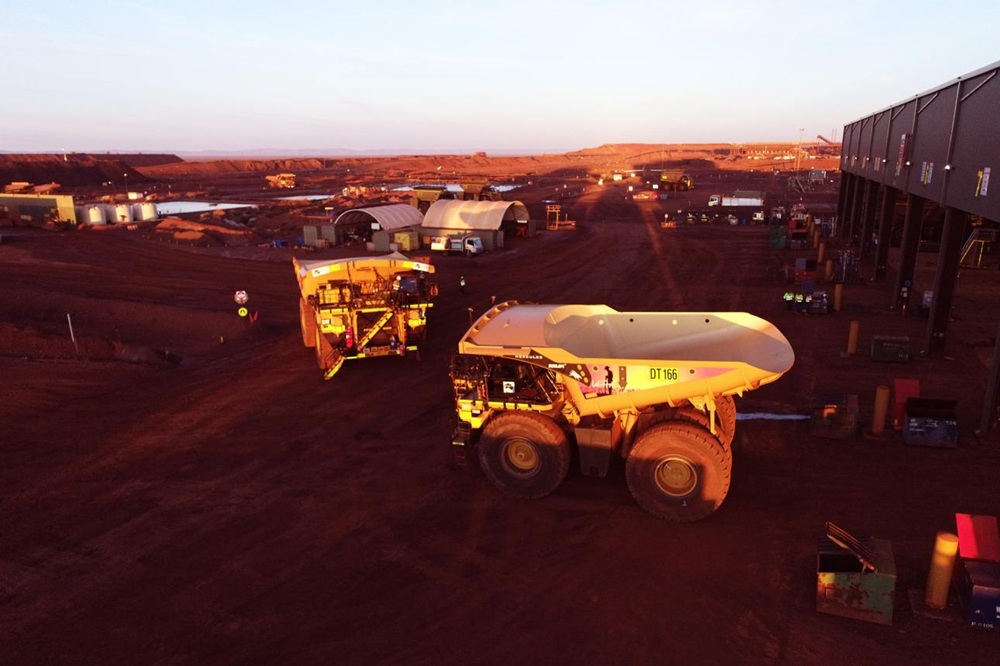
Fortescue remains closely associated with Australia's Pilbara iron ore industry.
Its operations include major mining hubs and associated rail and port infrastructure in Western Australia. The company has also developed the Iron Bridge magnetite project, adding a higher-grade product to its portfolio.
Fortescue's iron ore operations remain central to its financial performance, meaning iron ore prices and Chinese steel demand remain important variables for investors.
The company's FY25 reporting provides detailed information on its production, financial performance and operational developments. Investors can access these through the Fortescue Investor Centre.
Fortescue's Energy Transition Strategy
One of the most significant changes in the Fortescue story has been its focus beyond traditional iron ore mining.
The company has invested in renewable energy, green hydrogen and other technologies intended to reduce industrial emissions.
However, investors should distinguish between Fortescue's established iron ore operations and longer-term energy-transition projects. The financial contribution, capital requirements and commercial timing of newer initiatives can differ considerably from those of the company's established mining business.
This makes Fortescue an interesting example of how a major ASX miner is attempting to combine an established commodity business with longer-term decarbonisation ambitions.
BHP (ASX: BHP): Diversification Beyond Iron Ore
Record Iron Ore and Copper Production
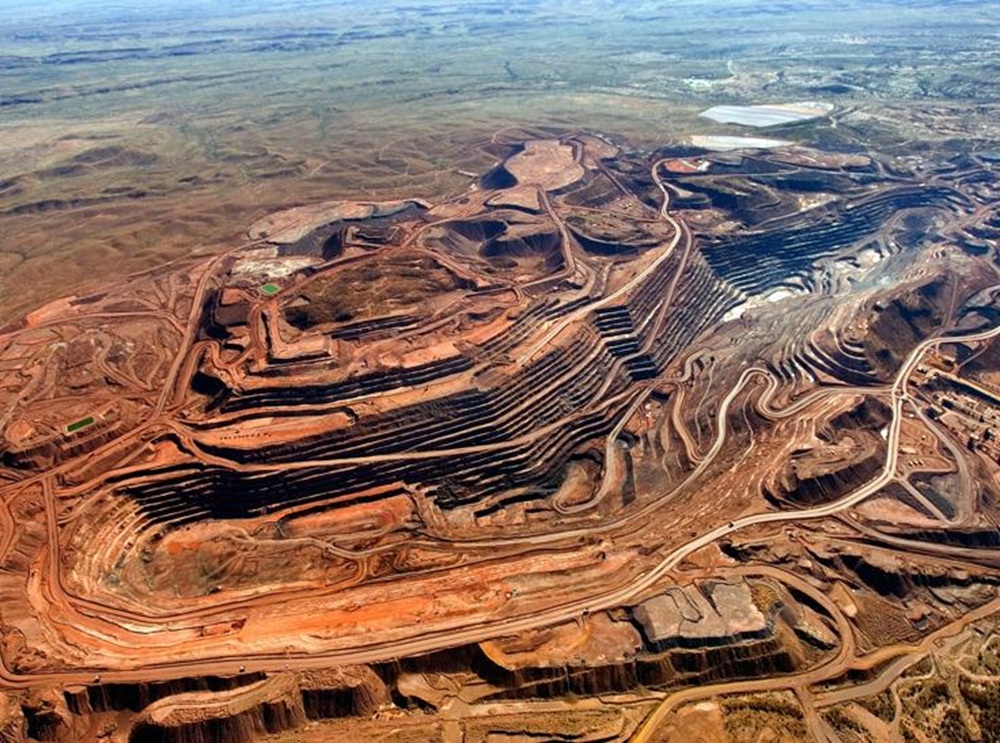
BHP remains one of Australia's largest diversified mining companies.
Its FY25 results showed record production in both iron ore and copper. BHP reported 290 million tonnes of Western Australia Iron Ore production for FY25 and said copper production exceeded 2 million tonnes for the first time.
The company's diversification is important because it reduces its dependence on a single commodity.
Iron ore remains a major earnings driver, while copper has become increasingly important to BHP's long-term strategy.
Why Copper Matters to BHP
Copper is used extensively in electricity networks, renewable-energy infrastructure, electric vehicles and industrial equipment.
BHP's copper production has been growing, with the company reporting a 28% increase over three years to FY25.
For investors, this creates two distinct ways to analyse BHP: its current exposure to established bulk commodities and its increasing exposure to commodities linked to electrification.
StockBinge also covers BHP in its ASX Dividend Stocks to Watch in 2025 analysis.
Rio Tinto (ASX: RIO): Expanding Copper and Critical Minerals Exposure
Rio Tinto is another major force in the ASX mining sector.
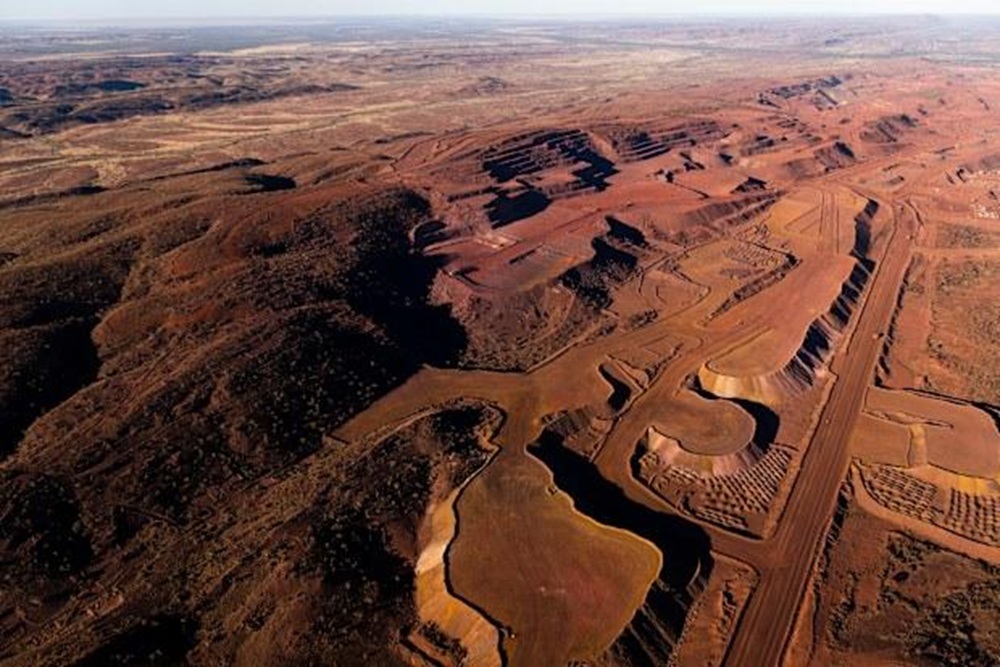
The company has historically been heavily exposed to iron ore through its Pilbara operations, but its strategy has increasingly focused on commodities including copper, aluminium and lithium.
Oyu Tolgoi Copper Expansion
Rio Tinto's Oyu Tolgoi operation in Mongolia has become an important component of its copper growth strategy.
During Q2 2025, Rio Tinto reported a 13% year-on-year increase in copper-equivalent production and said Oyu Tolgoi was continuing to ramp up. The company also reported its highest second-quarter Pilbara production since 2018.
This illustrates the changing composition of major mining portfolios.
While iron ore remains fundamental to Rio Tinto, copper is becoming increasingly important to its future growth strategy.
Rio Tinto and Lithium
Rio Tinto has also expanded its involvement in lithium.
Its acquisition of Arcadium Lithium, completed in March 2025, strengthened its position in the lithium industry. The transaction formed part of Rio Tinto's strategy to establish a larger lithium business.
The move highlights how major diversified miners are repositioning their portfolios around commodities that may benefit from electrification and energy-transition investment.
Pilbara Minerals (ASX: PLS): Australia's Lithium Exposure
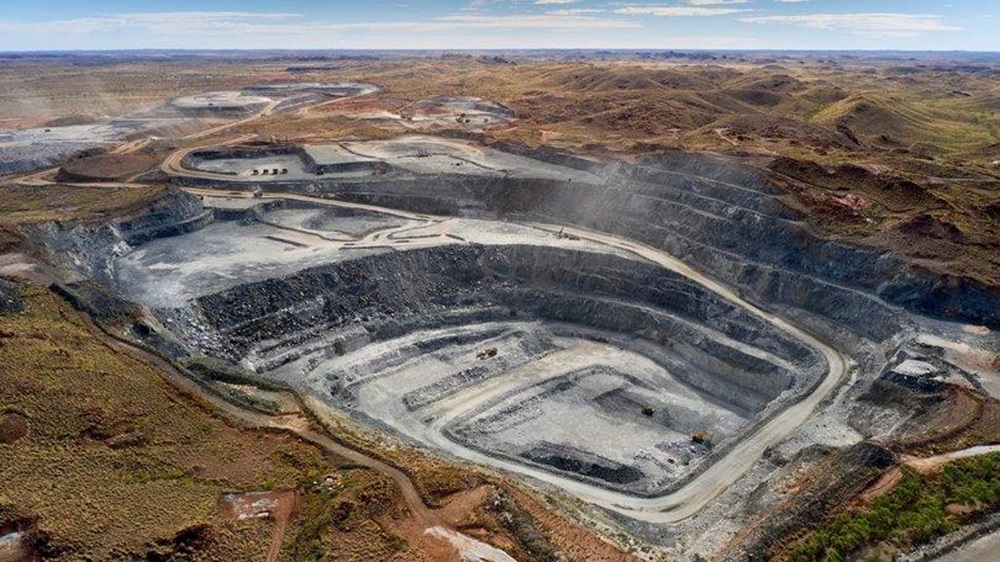
The reshaping of the ASX mining sector in 2025 was not limited to the major diversified miners.
Pilbara Minerals (ASX: PLS) remained one of Australia's best-known lithium producers through its Pilgangoora operation in Western Australia.
Lithium prices experienced substantial volatility following the rapid expansion of battery-material supply in previous years.
For Pilbara Minerals, therefore, production growth alone does not determine financial performance. Spodumene prices, operating costs, exchange rates, customer demand and supply discipline all influence profitability.
StockBinge's ASX Lithium Stocks Rebound in 2025: What Investors Should Know provides additional background on the lithium market and Pilbara Minerals.
How Mining Giants Are Reshaping the ASX
Greater Exposure to Critical Minerals
One of the biggest changes is the growing importance of copper, lithium and other critical minerals.
BHP is increasing its focus on copper, Rio Tinto has expanded into lithium and copper, while Pilbara Minerals provides direct exposure to lithium.
This is gradually changing the traditional image of the Australian mining sector.
Greater Capital Discipline
Large miners have also become more focused on capital allocation.
Commodity cycles can produce significant cash flow during periods of high prices, but companies need to decide how much capital should go toward:
- New mines
- Existing mine expansions
- Acquisitions
- Debt reduction
- Shareholder distributions
- Technology
- Decarbonisation
BHP said FY25 was characterised by disciplined capital allocation alongside record production in iron ore and copper.
Technology and Automation
Mining companies are also investing heavily in automation and digital technologies.
Autonomous haulage, remote operations, advanced geological modelling, artificial intelligence and predictive maintenance can potentially improve productivity and reduce operating costs.
These technologies are becoming increasingly important as miners attempt to maintain production while managing labour, energy and environmental costs.
Commodity Prices Remain a Major Driver
Despite diversification and technological improvements, commodity prices remain fundamental to mining-company earnings.
Iron Ore
For Fortescue, BHP and Rio Tinto, iron ore remains a major source of exposure.
Prices can be affected by:
- Chinese steel production
- Property construction
- Infrastructure spending
- Global steel demand
- Supply from Australia and Brazil
- Chinese steel policy
Consequently, investors tracking these stocks need to monitor the broader iron ore market rather than looking only at individual company announcements.
Copper
Copper has become increasingly important because of its role in electrification.
Demand can come from:
- Electricity grids
- Renewable energy
- Electric vehicles
- Data centres
- Industrial machinery
- Construction
Rio Tinto and BHP are therefore positioning parts of their portfolios around a commodity that has different demand characteristics from iron ore.
Lithium
Lithium remains closely linked to the electric-vehicle and battery-storage industries.
However, lithium markets can experience significant cycles of oversupply and undersupply.
For this reason, companies such as Pilbara Minerals can experience considerably different earnings conditions from the large iron ore producers.
Risks Facing ASX Mining Giants in 2025
Commodity Price Volatility
Mining companies remain exposed to fluctuations in commodity prices.
A decline in iron ore, copper or lithium prices can reduce revenue and cash generation.
China Exposure
China remains a major consumer of Australian commodities, particularly iron ore.
Any significant change in Chinese construction, infrastructure or manufacturing activity can affect commodity demand.
StockBinge's Global Trade Tensions and Their Impact on ASX Resource Stocks examines how international trade conditions can affect Australia's resource companies.
Cost Inflation
Mining is capital intensive.
Fuel, labour, equipment, energy and infrastructure costs can rise quickly, putting pressure on margins even when commodity prices remain relatively strong.
Project Execution
Large mining projects can require billions of dollars of capital and take years to develop.
Delays, cost overruns, permitting issues or technical problems can materially change expected returns.
Regulatory and Environmental Requirements
Mining companies operate under extensive environmental, safety and regulatory frameworks.
Stricter requirements can increase development and operating costs, while delays to approvals can affect project schedules.
What Investors Should Watch in ASX Mining Stocks
Investors analysing Fortescue and other mining giants reshaping the ASX in 2025 should look beyond share-price movements.
Production Growth
Higher production can increase revenue, although additional production is only beneficial if costs and commodity prices remain supportive.
Unit Costs
Cost performance is particularly important during commodity downturns.
Lower-cost producers generally have greater room to absorb commodity-price declines, although cost structures vary across commodities and operations.
Free Cash Flow
Free cash flow provides insight into the amount of cash remaining after operating expenses and capital expenditure.
Balance Sheet
Debt levels, cash reserves and financing requirements can affect a company's flexibility during weaker commodity cycles.
Commodity Diversification
BHP and Rio Tinto have been increasing exposure to commodities beyond traditional iron ore, while Fortescue remains heavily linked to iron ore but is also pursuing energy-transition initiatives.
Capital Allocation
Investors should monitor how management allocates cash between growth projects, acquisitions, debt, dividends and buybacks.
Fortescue vs BHP vs Rio Tinto: Different Mining Strategies
| Company | Major Exposure | 2025 Strategic Theme |
|---|---|---|
| Fortescue (ASX: FMG) | Iron ore | Iron ore plus energy transition |
| BHP (ASX: BHP) | Iron ore, copper and potash | Diversification and copper growth |
| Rio Tinto (ASX: RIO) | Iron ore, copper, aluminium and lithium | Diversification into future-facing commodities |
| Pilbara Minerals (ASX: PLS) | Lithium | Battery-material exposure |
The table highlights the different approaches within Australia's large-cap mining sector rather than suggesting that one strategy is superior.
What the Mining Sector Could Mean for the ASX
The influence of mining companies extends beyond individual stocks.
Large resource companies can affect:
- ASX 200 performance
- Dividend distributions
- Australian dollar movements
- Corporate investment
- Employment
- Government royalties
- Export earnings
- Investor sentiment
The ASX reported that the S&P/ASX 200 reached an all-time closing high of 9,094.7 on 21 October 2025, while the broader exchange also recorded a significant rebound in new listings and capital raised during the year.
Mining and materials remained an important part of that market structure.
Frequently Asked Questions
Why are Fortescue, BHP and Rio Tinto important to the ASX?
They are among Australia's largest mining companies and have significant exposure to globally traded commodities such as iron ore and copper. Their earnings, dividends and capital allocation can therefore influence the broader Australian market.
What is Fortescue's main business?
Fortescue's core business remains iron ore production in Western Australia. The company is also developing businesses and technologies focused on energy transition and decarbonisation.
Why is copper important to BHP and Rio Tinto?
Copper is widely used in electricity infrastructure, renewable energy, electric vehicles and industrial applications. Both BHP and Rio Tinto have been increasing their exposure to copper as part of their diversification strategies.
Is Pilbara Minerals an iron ore company?
No. Pilbara Minerals is primarily a lithium producer through its Pilgangoora operation in Western Australia.
What are the biggest risks for ASX mining stocks?
Major risks include commodity-price volatility, Chinese demand, operating costs, project delays, regulatory changes, currency movements and geopolitical developments.
How do commodity prices affect mining companies?
Higher commodity prices can increase revenue and margins when production costs remain relatively stable. Lower prices can have the opposite effect, particularly for higher-cost operations.
Why are mining companies investing in critical minerals?
Copper, lithium and other critical minerals are used in technologies associated with electrification, batteries, renewable energy and modern infrastructure. This has encouraged major miners to diversify beyond traditional commodities.
Conclusion
Fortescue and other mining giants reshaping the ASX in 2025 reflect a broader transformation in Australia's resources sector.
Fortescue continues to be strongly connected to iron ore while pursuing energy-transition opportunities. BHP is combining its large iron ore business with increasing copper exposure, while Rio Tinto is expanding its presence in copper and lithium. Pilbara Minerals provides a more direct link to the lithium and battery-material market.
The companies also demonstrate how Australia's mining industry is adapting to changing global demand.
For investors, the key areas to monitor include commodity prices, production volumes, unit costs, balance-sheet strength, capital expenditure, project execution and exposure to changing global demand.
Mining will likely remain a defining part of the ASX because Australia's listed market contains some of the world's largest resource companies. Understanding how these businesses generate cash, manage commodity cycles and allocate capital can therefore provide useful context when analysing the broader Australian share market.
At StockBinge, we believe investors should conduct their own research and consider their investment objectives, financial circumstances and risk tolerance before making investment decisions.
Disclaimer
This article is provided for general information only and does not constitute personal financial advice. Mining stocks can be affected by commodity prices, economic conditions, foreign exchange movements, regulatory changes and company-specific risks. Investors should conduct their own research and consider seeking professional financial advice before making investment decisions.